
PRABHAVA INSTITUTE OF INCLUSIVE MENTAL HEALTH LLP
A Collective Imagination
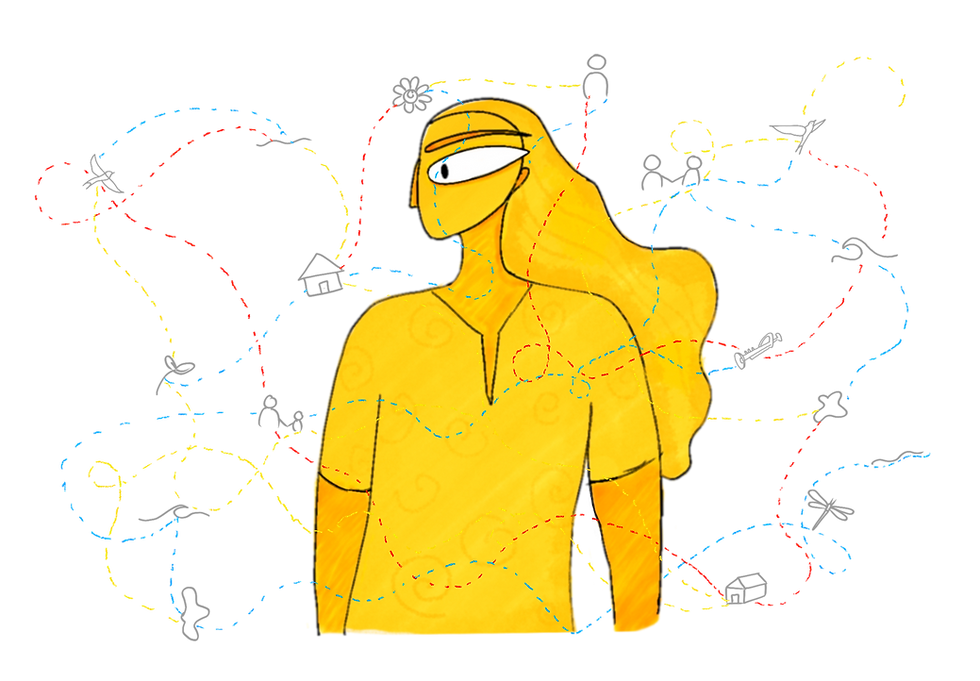
Imagine we lived together collectively.
Waking up to clean air, food, and water.
Doing activities that are generative and
energising.
Imagine doing this without the pressure to match up to ideas of success measured through possessions—wealth, looks, relationships, intelligence

Ret hinking Mental Health
From this way of living, a different understanding
begins to emerge.
Our understanding of mental healt h is t hat it is
direct ly shaped by t he social situation of
individuals and communities.
As societies become more structured, rules of
success and failure emerge. We begin to
measure ourselves and ot hers t hrough t hese
lenses.
Mental health then shifts.
This shift is not individual.
It is relational.
Between good and bad lies a wide emotional range—pride, shame, disgust.
These feelings do not arise in isolation.
We share resources and take responsibility for one another as a
collective—not by building territories, but by holding clear
boundaries shaped by respect.
“In such a world, who would still feel anxious? Who would still feel low?
And what would those feelings be telling us?”
“But this is not the world we live in. We live in one organised by patriarchy and capitalism. Think of what it asks of us, every day. What do we feel, in our bodies and in our relationships, as we try to keep up?”
Rethinking Mental Health
Our understanding of mental health is that it is directly shaped by the social situation of
individuals and communities.
As societies become more structured, rules of success and failure emerge. We begin to
measure ourselves and others through these lenses.
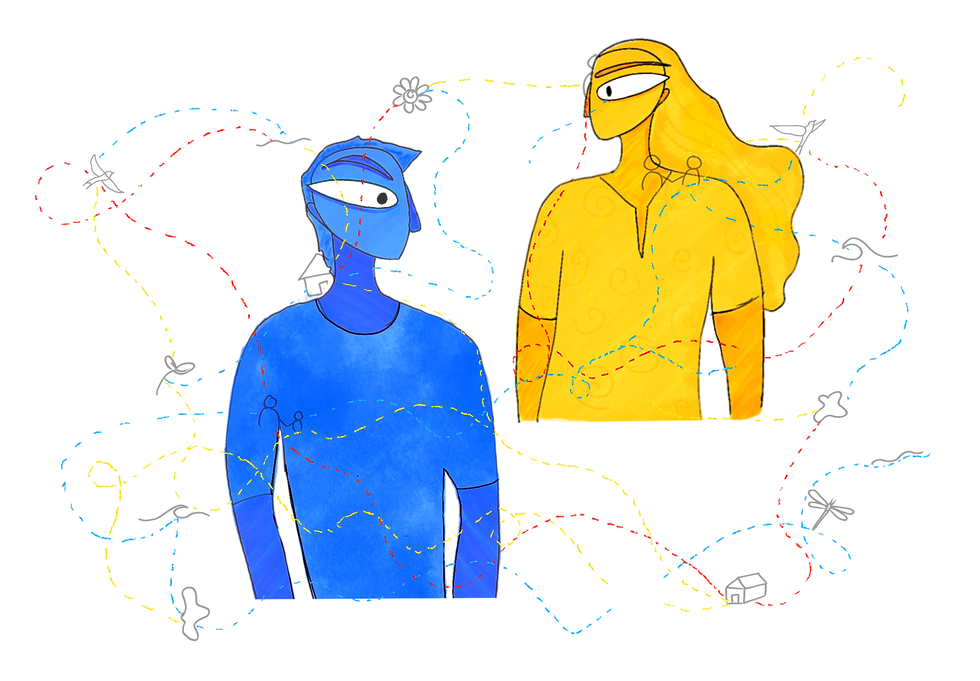
So, to return to our question: much of the stress, anxiety, low mood, fear and anger we carry is not random.
When our sense of worth depends on measuring up, we are always in one of two states.
We are trying hard to match up to the structures around us, or we are exhausted from trying.
Anxiety, fear and anger live in the effort. Low mood and numbness live in the burnout.
These are not simply individual failings. They are responses to the way we have been asked to live.”
Pain is Social Before it is Personal
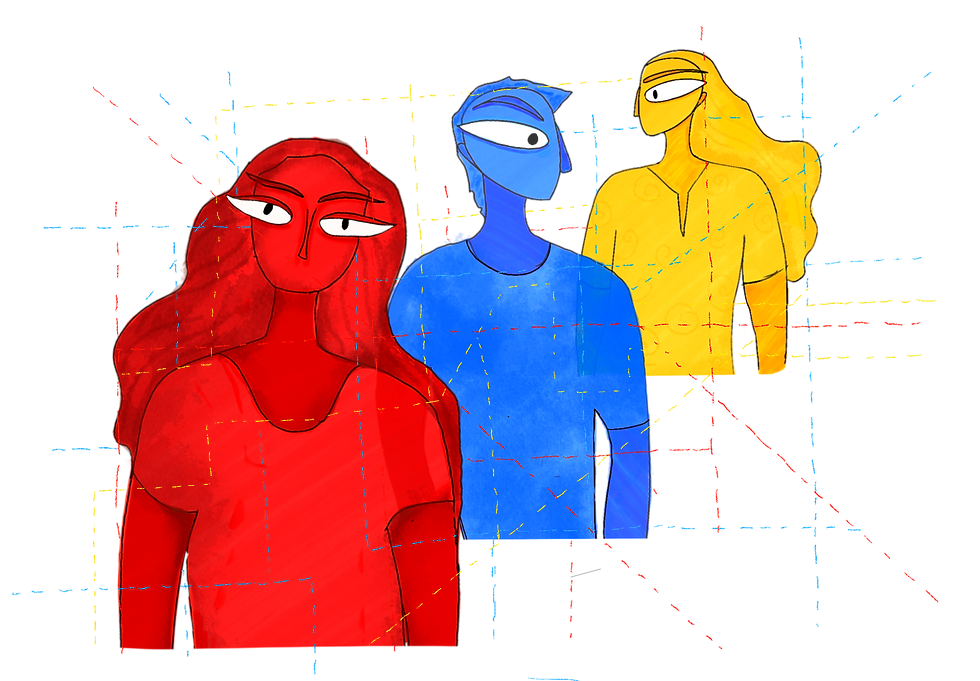
What we feel is not separate from how society is organised.
These inequalities are linked to how societies are organised—through patriarchy, capitalism, caste, religion, and other dominant social structures.
Where inequalities exists, experiences of "less than" or "more than" emerge - attaching identity, belonging, pride, shame or disgust to socially constructed categories
Psychological pain is not a personal failure.
Prabhava Institute of Inclusive Mental Health LLP
No-T5, 3r° Floor, Sri Krishna Residency,
13th Cross, JP Nagar 1st Phase, Sarakki Main Road, Bangalore-560078,
Karnataka, India.
Mobile: +91 99720 97848
© 2035 by The Bridge. Built on Wix Studio™
Prabhava Institute of Inclusive Mental Health LLP
No-T5, 3r° Floor, Sri Krishna Residency,
13th Cross, JP Nagar 1st Phase, Sarakki Main Road, Bangalore-560078,
Karnataka, India.
Mobile: +91 99720 97848
© 2035 by The Bridge. Built on Wix Studio™
PRABHAVA INSTITUTE OF INCLUSIVE MENTAL HEALTH LLP
No-T5, 3r° Floor, Sri Krishna Residency,
13th Cross, JP Nagar 1st Phase, Sarakki Main Road, Bangalore-560078,
Karnataka, India.
Mobile: +91 99720 97848
© 2035 by The Bridge. Built on Wix Studio™
Social Structures &
Psychological Pain
What we feel is not separate from how society is
organised.
These inequalities are linked to how societies are
organised—t hrough patriarchy, capitalism, caste,
religion, and ot her dominant social structures.